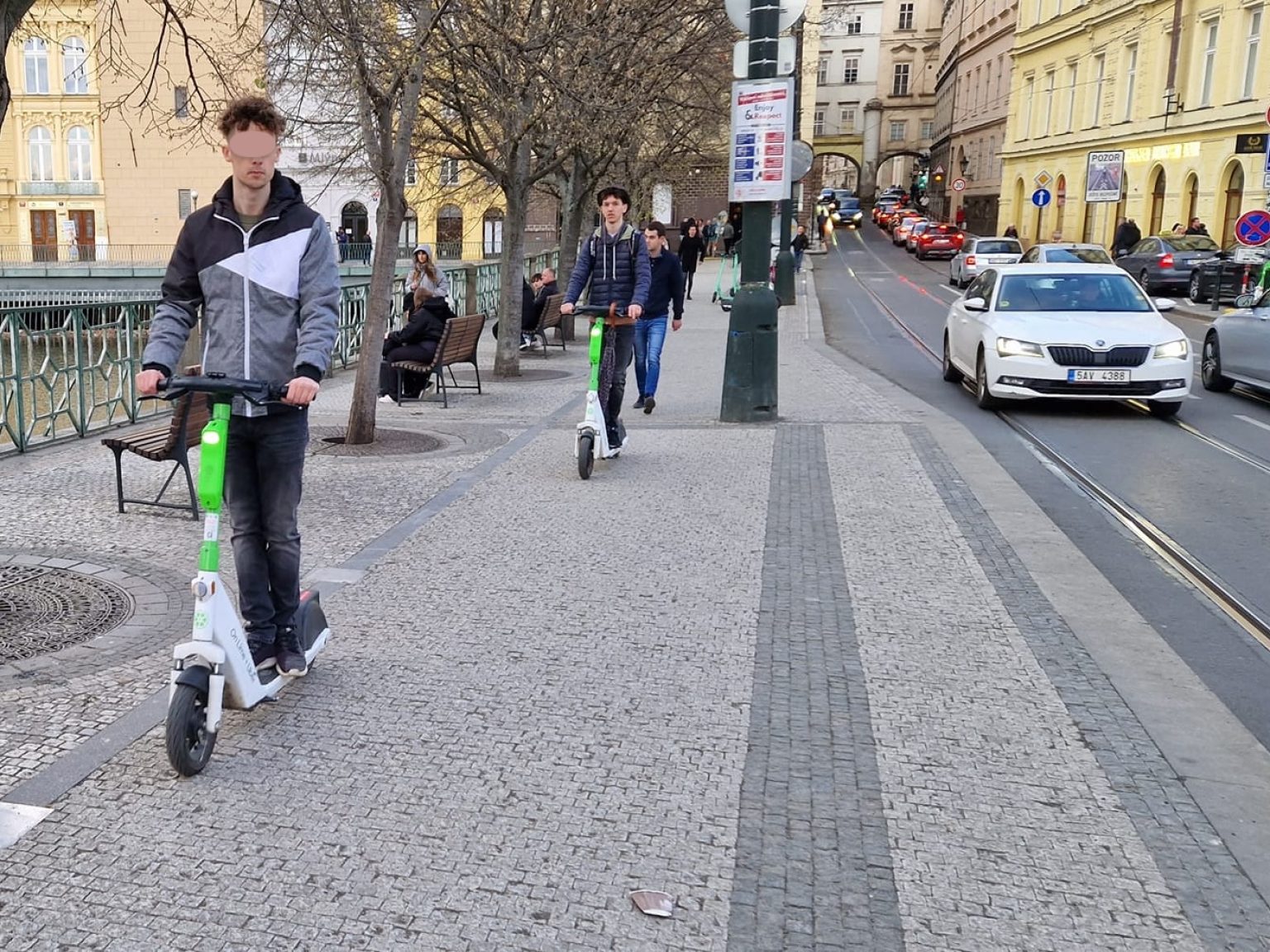
The Prague 1 Council has approved a proposal for a blanket ban on electric scooters in the historic city center. The measure, initiated by the Councilor for Transport Vojtěch Ryvola (GEN, formerly ANO) and council member Josef Ludvíček (ODS), aims to address safety issues and the overuse of public spaces caused by shared scooters, which are often used as tourist attractions in the center. The proposal faces opposition from political rivals, city authorities, and scooter operators.
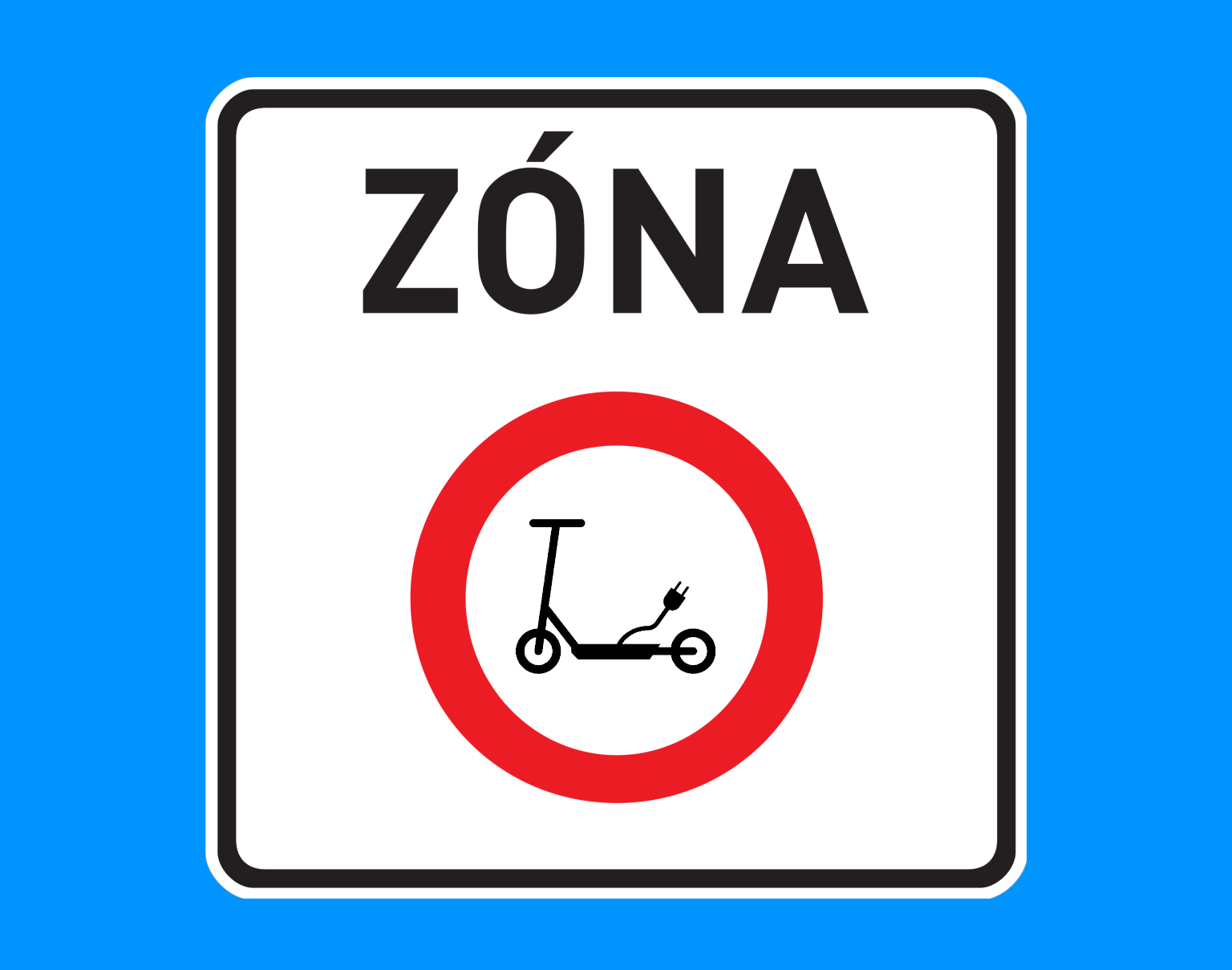
The proposal, accepted based on a recommendation from the Prague 1 Transport Commission, suggests creating a special zone where electric scooters—both shared and private—would not be allowed. Exceptions would be granted only through individual permits, for example to residents or in justified cases. The district refers to the previous ban on Segways, which Prague implemented in 2016 due to similar issues. That ban was also citywide and affected other “non-tourist” vehicles operating on similar principles.
According to the district’s leadership, the financial impact of the measure is not significant. The Segway ban previously required around 600 new traffic signs and cost roughly four million CZK. The district claims that in the case of scooters, it would only involve expanding existing signage, making the costs lower.
“Every day in Prague 1 we deal with irresponsible scooter parking, endangerment of pedestrians, and illegal riding on sidewalks. The situation is intolerable, and it’s time to say enough. We are ready to defend our public space and the safety of our residents,” said Councilor Ryvola after the proposal was approved.
The opposition groups Praha 1 sobě and the Greens reject the proposal. They argue that under Czech law, electric scooters are classified as bicycles and are already prohibited from riding on sidewalks—which is a key issue in Prague 1. The proposed ban would therefore only restrict their use on roads. The opposition also criticizes the plan to grant exceptions—such as to residents—which they claim is unprecedented in European cities.
“This is an unenforceable proposal that will affect ordinary users and could end up in court,” said Filip Lachmann (Greens). Instead, he suggests focusing on regulating the shared mobility services themselves—for example, by banning them from operating in specific areas.
Bolt, a company that operates shared scooters in Prague, has not directly commented on the city district’s proposal, but generally opposes blanket bans, calling them ineffective and hard to enforce. The company estimates that private scooter users account for roughly one-third of all riders.
“Modern scooters today use various safety technologies—for instance, restrictions on riding with two people or automatic slowing in busy city centers,” said Marek Pazderka from Bolt in an interview with Městem na kole. According to him, the company is also developing additional features aimed at improving operations in the city center.
City Hall acknowledges Prague 1’s long-standing dissatisfaction, but prefers a city-wide approach based on new rules for shared mobility operators: “The Technical Administration of Roads is currently finalizing a contract under which bikesharing providers would be allowed to operate their services. This agreement would also determine how shared scooters are handled,” City Hall spokesperson Vít Hofman told Městem na kole.
This systemic change aims to allow more precise regulation in individual districts without resorting to blanket bans. However, Prague 1 criticizes the city for not acting quickly enough.
All political groups agree that shared scooters pose problems in Prague’s historic center. The disagreement lies in how to regulate them. While the proposal approved by the Prague 1 Council introduces a general ban with limited exceptions, the plan being developed by City Hall—and favored by Prague 1’s opposition—would restrict service availability in certain areas without limiting private scooter use.
However, the final decision lies with City Hall. Without support from the capital’s leadership, the current proposal from the Prague 1 Council won’t bring about any real change.
This is an adjusted machine translation using Automat’s CycleLingo Translator (ChatGPT) of this article: https://mestemnakole.cz/2025/04/praha-1-chce-zakazat-elektrokolobezky-navrh-vyvolal-kontroverze/?cn-reloaded=1
Líbil se Vám článek? Chcete v Česku lepší podmínky pro cyklodopravu?
Podpořte nás, stačí i 100 korun. 💙🚲
Vyberte prosím částku, poté budete přesmerováni na darujme.cz